Validation, Self-esteem and the Endless Search.
Feb 01, 2026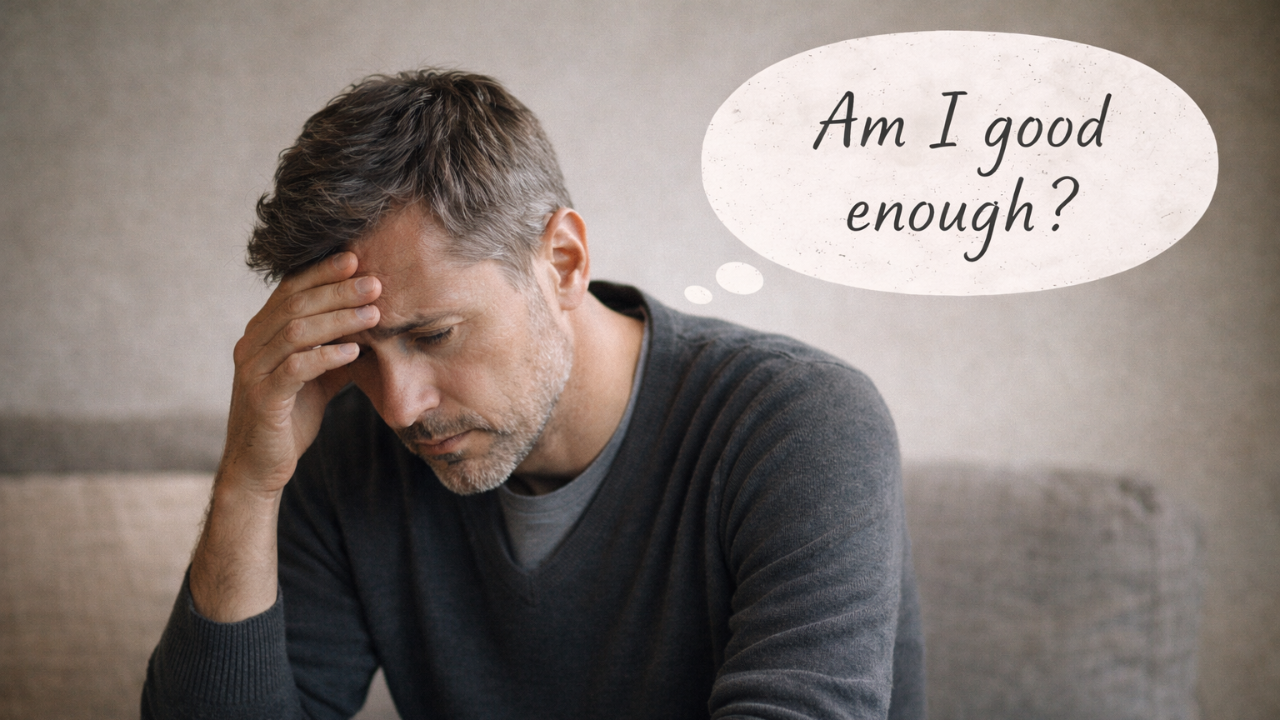
I often work with those who describe themselves as pathetic because of how desperately they seek validation. They feel ashamed of how much they need reassurance or approval just to feel okay, believing this need means there is something fundamentally wrong with them.
I do not see this need for validation as being pathetic. Far from it. However, I understand how deeply this is felt, especially if you have been brought up and conditioned in a Patriarchal society and gone to boarding school. As a result you may have absorbed values which mean that having any emotional needs or showing vulnerability is seen as a weakness.
Where does this need for validation come from?
Self-esteem does not come from achievement. It comes from being consistently loved, seen, and valued for simply being who you are. Not for what you do, how well you perform, or how impressive you appear to others.
When children are met with warmth, emotional availability, and reliability, an internal sense of self-worth begins to form. A sense of "I am okay, I matter and I am worthy of care." This becomes the grounding base we return to throughout life.
For many ex-boarders, that grounding base was disrupted.
Being sent away to school is often framed as being for your own good. However alongside that message is often another, less spoken one:
- This opportunity must not be wasted
- You are expected to achieve
- Make us proud
- Do well, succeed, stand out
Love can begin to feel conditional and approval becomes something to earn.
When care is inconsistent or distant, the child adapts and looks outward for signs: Am I good enough now? Do you see me? Have I done enough?
We learn to hold ourselves emotionally by first being held by others. When that holding is absent, inconsistent, or conditional, the ability to self-soothe and to trust our own inner stability struggles to develop.
Self‑esteem does not come from achievement. It comes from being consistently loved, seen, and valued for simply being who you are and not for what you do, how well you perform, or how impressive you appear.
Unfortunately self‑esteem cannot be built from the outside.
External validation feels good briefly, but it doesn’t last. It leaks out, like water poured into a cup full of holes. The relief fades, and the emptiness returns. So the search continues. More achievement. More approval. More reassurance.
This is not because you are broken, needy or "pathetic." It may be because you never felt properly loved as a child for who you are as oppossed to what you do and how well you succeed.
Living in constant search of validation is exhausting. It creates anxiety, comparison, and a fragile sense of self that rises and falls depending on how others respond.
Many men especially feel deep shame about this as they believe they should be more confident, more independent, less affected. However shaming yourself for needing validation only deepens the hunger for it.
So what does help?
This is not about is telling yourself to get over yourself, turn that need for validation into self loathing but instead to try and build something internal alongside recognising you want it.
The work is to build something internal alongside it.
Here are some things we can do.
1. Understanding the origin
Recognise why you seek validation. When you can link the present need to earlier experiences of emotional absence, pressure, or conditional approval, self-criticism can shift into self-compassion.
2. Learn to offer yourself what was missing
Develop an internal voice that is curious, kind, and steady, rather than demanding or dismissive. i
3. Separating worth from performance
This means gently challenging the belief that you are only as good as your last achievement. Noticing when your value feels tied to success, productivity, or praise and question that link.
4. Allow needs without shame
Needing reassurance does not make you weak. Allowing yourself to acknowledge that need, rather than attacking it, often reduces its intensity.
5. Relationships that offer consistency and you feel loved and accepted for who you are.
Healing happens in relationships where you are valued even when you fail, disappoint, or do nothing remarkable at all. Over time, these experiences can begin to repair the internal foundation. This may be in the form of an individual therapist, being part of a supportive group or surrounding yourself with friends or a partner who you show your authentic self to and you feel fully accepted as you are.
So, if you feel desperate for validation sometimes, it does not mean that you are insecure or deficient but that you learned early on that being seen and chosen was uncertain and you did not feel accepted a love for who you are as oppossed to what you do.
The good news is that self‑esteem can grow. It is built through repeated experiences of being met, internally and externally, without having to prove your worth. It might mean having to change those you spend time with and changing patterns of behaviour that are ingrained, which is far from easy, I know. However I do believe it is possible to change this desperate need for external validation to one in which we know that we matter, are important and are loveable as we are.