
ONLINE CPD WORKSHOP · 2 HOURS · VIA ZOOM
Working with Ex-Boarders: An Introduction for Practitioners
A live, specialist workshop for counsellors, therapists, and coaches who want to understand the lasting psychological impact of boarding school and work more confidently with clients who are affected by it.
2 CPD hours included.
Do you recognise this in your clients?
Many therapists are seeing ex-boarders without knowing about the impact that sending a child to boarding school can have on their development as a child and subsequent behaviour as an adult. These clients often present as high-functioning, emotionally self-sufficient, and capable. Yet underneath, they may feel the complete opposite. "My insides doen't match my outsides. "
- Difficulty with intimacy or vulnerability
- A polished exterior masking inner uncertainty.
- Fear of abandonment or deep loneliness
- Emotional numbness or difficulty grieving
- Resistance to depending on others.
- "I should be over this by now" but they're not.
If any of this is familiar, your client may be carrying what Joy Schaverien termed Boarding School Syndrome, and there is a framework that can help you understand it, name it, and work with it more effectively.
What you'll learn
This two-hour workshop provides a clear, clinically grounded introduction to boarding school as an adverse childhood experience and its long-term psychological effects.
Who this workshop is for
- Counsellors and psychotherapists in private practice or organisational settings
- Coaches working with high-achieving or leadership clients
- Practitioners who suspect boarding school may be relevant for a current client but aren't sure where to start
- Therapists who are ex-boarders themselves and want to explore this territory professionally and want to be mindful of their own history.
- Anyone curious about this underserved and often overlooked area of psychological practice.
No prior knowledge of boarding school or Boarding School Syndrome is required. This workshop is designed as a genuine introduction.
Booking & pricing
- 2 hours live on Zoom
- 2 CPD hours, certificate of attendance
- Curated reading list and resources
- Live Q&A with Amelia
- Recording available for 7 days
About Amelia
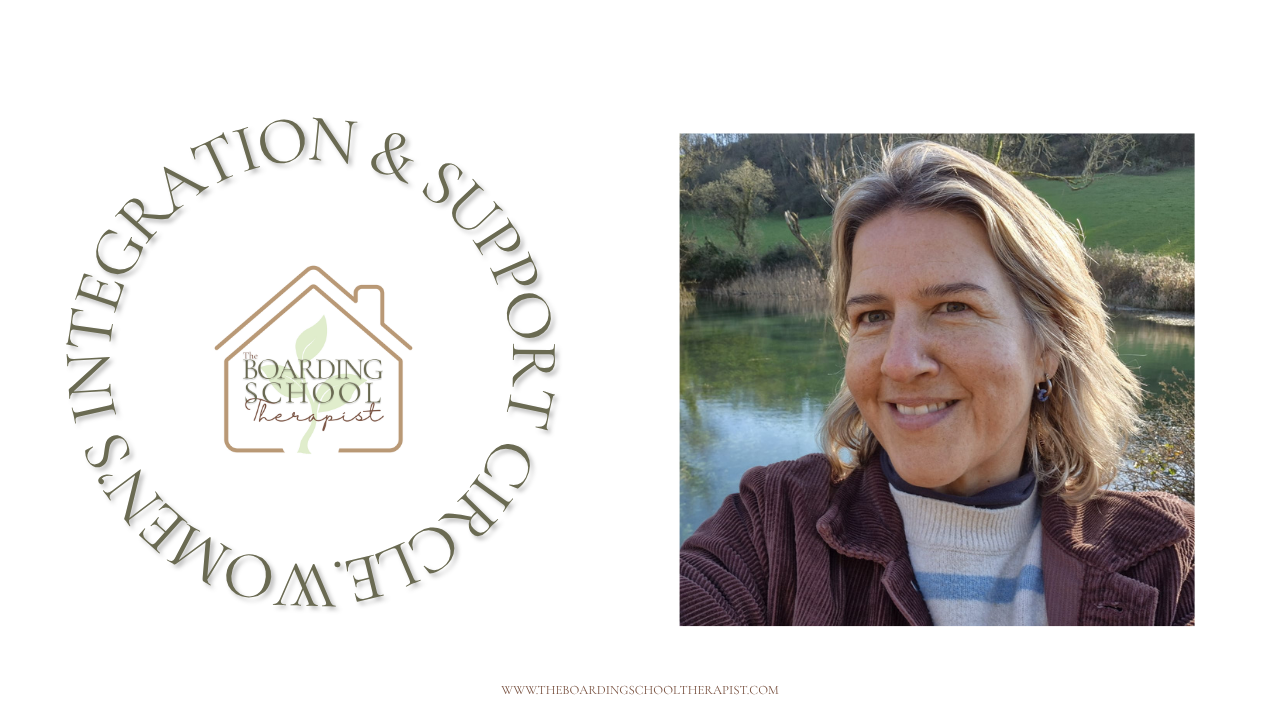
Amelia White. The Boarding School Therapist
Amelia is a BACP Accredited therapist, facilitator, and writer specialising in the long-term impact of boarding school. She trained with Nick Duffell, the pioneer of this field, and brings over fifteen years of clinical experience to her work. She is an ex-boarder herself and she understands this territory clinically, and personally. She only works with ex-boarders now, and has developed her own 6 month online programme to support ex-boarders around the world to understand the impact of their schooling and make changes to their current behaviour patterns. She contributed to the book "The Unmaking of Them," and is in the process of writing her own book currently.
Benefits of being part of a Women's group.
🌿 1. You realise you’re not the only one
There’s something powerful about hearing other women share similar thoughts, struggles, and patterns. It softens shame and creates a sense of “oh… it’s not just me.”
🌿 2. You get to practice being yourself in relationship
An online group becomes a safe space to:
- speak honestly
- be seen
- stay present
Instead of withdrawing, people-pleasing, or disappearing, you begin to do something different in real time.
🌿 3. You build connection without losing yourself
Many women are used to either over-giving or pulling away.
In a group like this, you can explore:
- connection and boundaries
- closeness and self-trust
🌿 4. You’re supported to take action (not just reflect)
It’s easy to stay in awareness alone.
A group gently supports you to:
- take small steps
- follow through
- keep moving forward
🌿 5. You experience consistency and belonging
Showing up weekly, being recognised, and having a place where you belong creates a steady, grounding experience especially if that’s been missing before.

About Amelia
Amelia is an experienced Therapist and Tutor who has worked for many charities and organisations over the past 12 years including the NHS and Brighton University. She has specialist psychotherapy training with ex-boarders, which she undertook with Nick Duffel. She provides individual therapy, courses and workshops for ex-boarders and Therapists.
As an ex-boarder herself, she is passionate about enabling others to see beyond the “privilege" and recognise some of the impact that having early attachments broken can have on young children. She supports ex-boarders in developing their own awareness of how their schooling may have shaped them. By telling their stories, expressing their feelings and releasing any shame, they start to learn to trust themselves and others so they can step fully into healthy relationships and ways of being.
Outside of work, you’ll find her at the waters edge in her hometown of Brighton, as she is a passionate sea swimmer. However, she prioritises parenting her three teenage daughters and relishes seeing them grow up in a city they call home.
